

What Is the Difference Between Inbound & Outbound Freight?
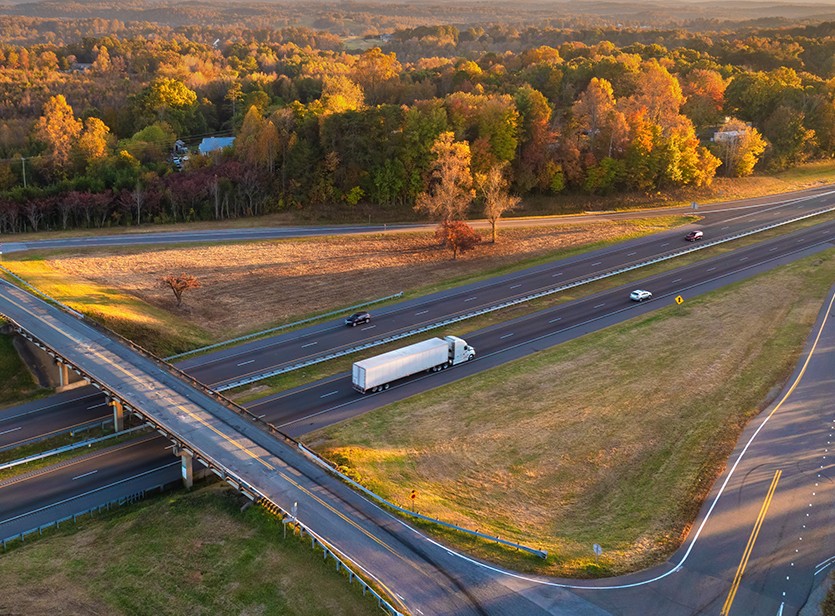
Inbound freight focuses on moving raw materials or products from suppliers to your facilities. Outbound freight involves shipping finished goods from your facility to customers, retailers or distribution centers.
Inbound logistics supports production and inventory replenishment, while outbound logistics represents the final stage of the supply chain. Efficient outbound logistics plays a key role in customer satisfaction, on-time delivery and overall business performance.
Effective Outbound Logistics Benefits
Strong outbound logistics strategies support faster delivery times, improved accuracy and lower operational costs. Businesses benefit from better inventory flow, increased customer satisfaction and the ability to expand into new markets. Efficient distribution processes also reduce waste, improve transportation planning and support more sustainable shipping practices.
Outbound Logistics Process
Order Processing
The process begins with receiving and verifying customer orders. This step confirms product availability and prepares shipping documentation.
Inventory Management
Accurate inventory tracking supports order fulfillment and helps maintain optimal stock levels across warehouses and distribution centers.
Picking and Packing
Products are selected from storage and prepared for shipment. Proper packaging protects goods during transit and supports efficient handling.
Transportation Planning
Selecting the right transportation mode and route improves delivery speed while controlling shipping costs.
Distribution
Shipments move from warehouses to customers, retailers or distribution hubs with coordinated scheduling and tracking.
Delivery and Customer Service
Final delivery requires accurate timing and communication. Responsive customer service supports issue resolution and improves the delivery experience.
Returns Management
Efficiently handling returns helps recover value, maintain inventory accuracy and support customer satisfaction.
How to Optimize Outbound Logistics
Route Optimization
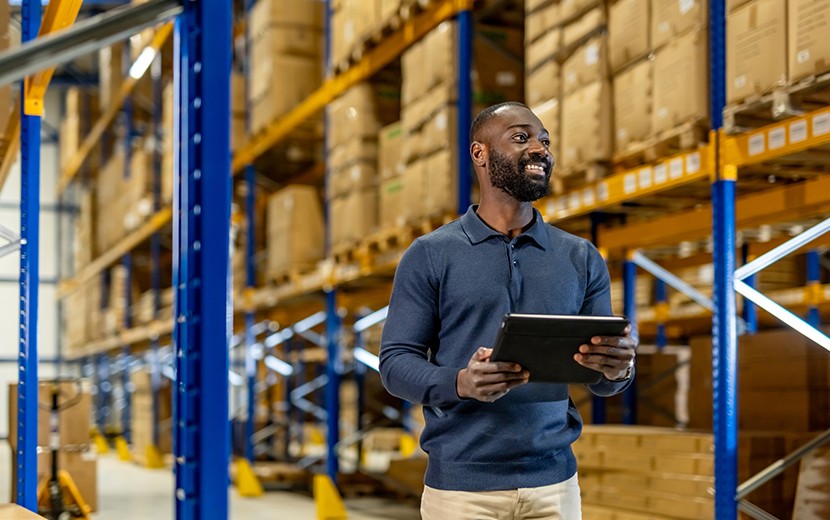
Advanced routing strategies reduce transit times, lower fuel costs and improve on-time delivery performance.
Inventory Management
Real-time visibility into inventory levels supports faster fulfillment and reduces the risk of stockouts or excess inventory.
Packaging Efficiency
Optimized packaging improves space utilization, reduces shipping costs and protects products during transit.
Technology Integration
Transportation management systems and warehouse technology improve coordination, tracking, and operational efficiency.
Third-Party Logistics (3PL) Partnerships
Working with a 3PL provider like Direct Drive Logistics brings access to established carrier networks, scalable solutions and logistics expertise.
Our Outbound Logistics Services

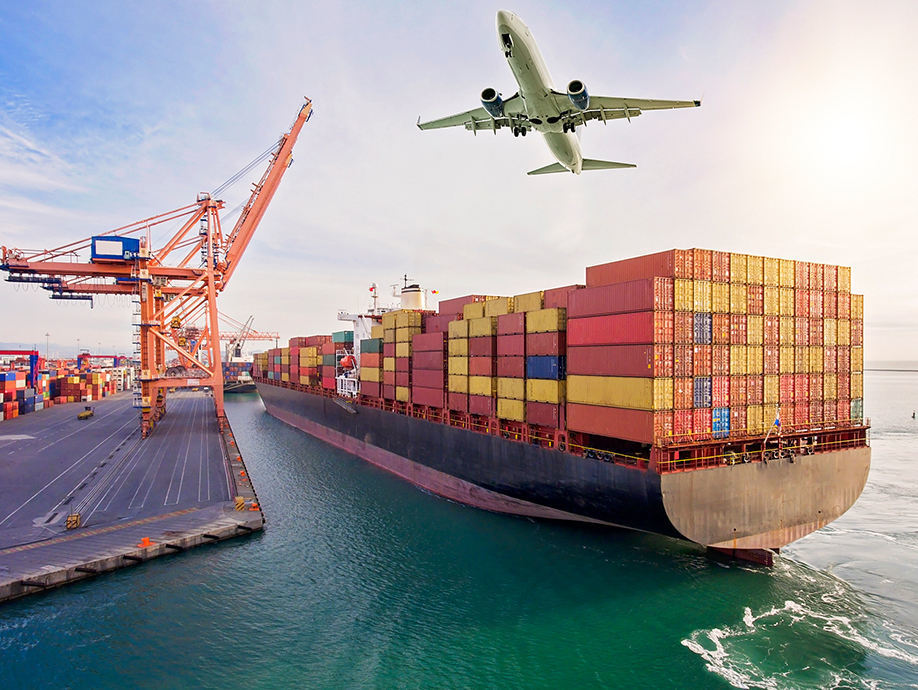
Ensure On-Time Delivery With Direct Drive’s Outbound Logistics
Direct Drive Logistics helps businesses maintain consistent delivery performance through coordinated planning, reliable carriers and real-time tracking. Our team focuses on reducing delays, improving communication and keeping shipments on schedule from origin to final destination.

Why Choose Direct Drive?
Direct Drive Logistics combines industry experience with a strong carrier network to deliver dependable outbound logistics solutions. We focus on efficiency, transparency and personalized service, giving you a single point of contact for your logistics operations. With real-time tracking, fast response times and a 99% claim-free delivery record, we help businesses maintain control over their supply chain while improving delivery performance. Contact us today for more information or to request an outbound logistics quote.
Cross-Border Outbound Freight Solutions
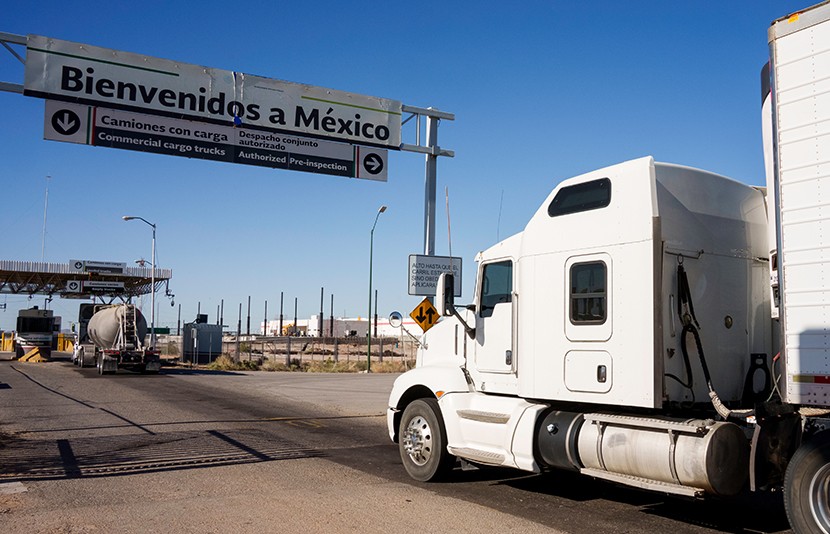
Expand your reach into Mexico with outbound logistics solutions backed by reliable Mexican freight carriers. We manage cross-border logistics, including customs brokerage coordination, cargo transfers and transloading services to keep shipments moving without disruption.
Our team guarantees smooth outbound freight transitions across the border, connecting drayage carriers and long-haul transportation for consistent, on-time delivery.